













WINEMAKING: The harvested Italian white varietal grapes are pressed very delicately in order to avoid the skin color being transferred to the must. After fermentation at controlled temperatures, the straw-colored wine is obtained that is then converted to sparkling wine using the Charmat method. Before bottling, our Italian sparkling wine is fused with our special blend featuring all-natural flavors of oranges & cranberries to create Zonin’s Orange-Cran Riviera Spritz.
AREA: ITALY
GRAPES:
Blend of Italian White Grapes
ALCOHOL: 11%
COLOR: Vibrant & beautiful light cranberry pink color with a lively, effervescent fizz that appears light when poured over ice.
BOUQUET & PALATE: Pleasant & pronounced orange citrus notes on nose. When tasted, the cranberry flavors shine with subtle hints or orange zest & yuzu.
The sparkling wine cocktail has a delicate sweetness that is well balanced by good acidity and zesty characters, adding a unique & refreshing complexity on the mouthfeel through finish.
FOOD PAIRINGS: Light Italian bites, beet salad, white meats, dried exotic fruits, bold cheeses (Gorgonzola or aged Gouda).
SERVING TEMPERATURE: 44° – 46° F
PACK OF 12:
PACK OF 24:
WINEMAKING: Our harvested Italian grapes are pressed, fermented and converted into sparkling wine using the Charmat method. Before bottling, our Italian sparkling wine is fused with our special blend featuring all-natural distilled lemons to create Zonin’s Coastal Lemon Spritz.
AREA: ITALY
GRAPES:
ALCOHOL: 11%
COLOR: Vibrant & beautiful lemon-yellow color with a lively, effervescent fizz that appears light when poured over ice.
BOUQUET & PALATE: This sparkling wine cocktail is well-balanced with a lemon citrus zest and subtle lime notes.
The delicate sweetness displays unique zesty characters and leaves
the palate with a refreshing finish.
FOOD PAIRINGS: Coastal cuisine—calamari, tuna tartare, ceviche, sashimi & sushi, white fish; Light Italian bites, dried exotic fruits, aged cheddar.
SERVING TEMPERATURE: 44° – 46° F
PACK OF 12:
PACK OF 24:
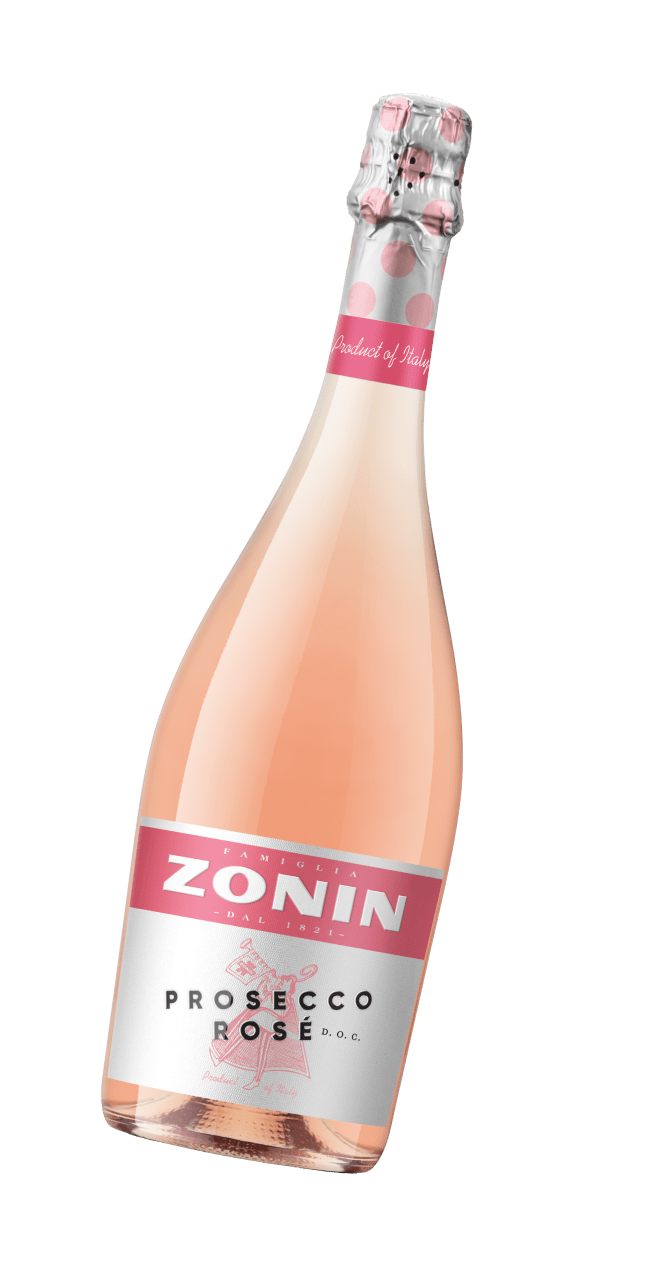
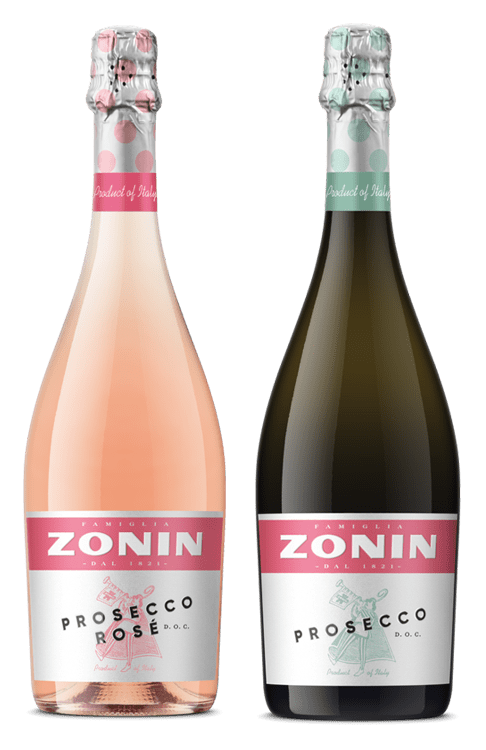
WINEMAKING: The blend of Glera and Pinot Nero (vinified in red), coming from the same harvest, are naturally fermented in pressurized stainless-steel tanks (Charmat Method) for a period of at least 60 days.
AREA: Veneto, Italy
GRAPES:
ALCOHOL: 11%
COLOR: Bright and soft pink in color.
PALATE: Tasteful flavors of wild strawberry and raspberry on a bubbly, elegant finish.
FOOD PAIRINGS: Excellent with light bites, fresh seafood, creamy pastas and risottos, salads, and fruit-based desserts.
BOUQUET: Vibrant and aromatic with notes of wild strawberries, golden apple, and a hint of wisteria flower.
PACK OF 12:
PACK OF 24:
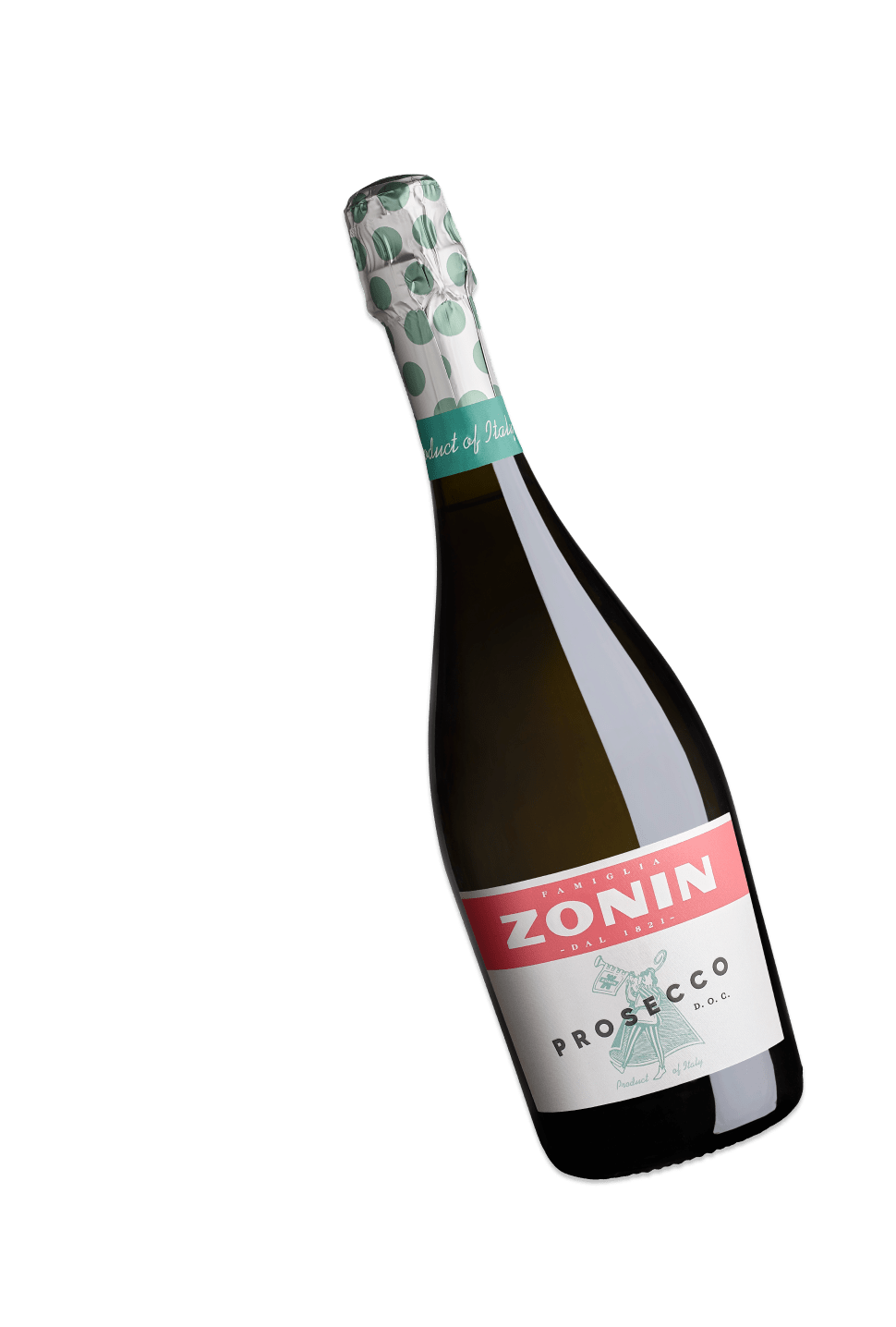
WINEMAKING: After gently pressing the grapes, half of the must goes through an initial cold fermentation process, while the other half is preserved at 32*F to keep it fresh. Both are then combined following the traditional Charmat method in stainless steel tanks, where our Prosecco acquires its bubbles and celebrated profile.
AREA: Verona, Italy
GRAPES: 100% Glera
ALCOHOL: 11%
COLOR: Pale straw yellow with bright golden hues.
PALATE: Stylish and elegant with flavors of white peach, golden apple, and fresh citrus that linger on a bubbly, refreshing finish.
FOOD PAIRINGS: Excellent with fresh seafood, charcuterie boards, variety of cheeses, pastas and salads.
BOUQUET: Sophisticated and aromatic with notes of white peach, golden apple, lemon zest and a touch of almond.
PACK OF 12:
PACK OF 24: